
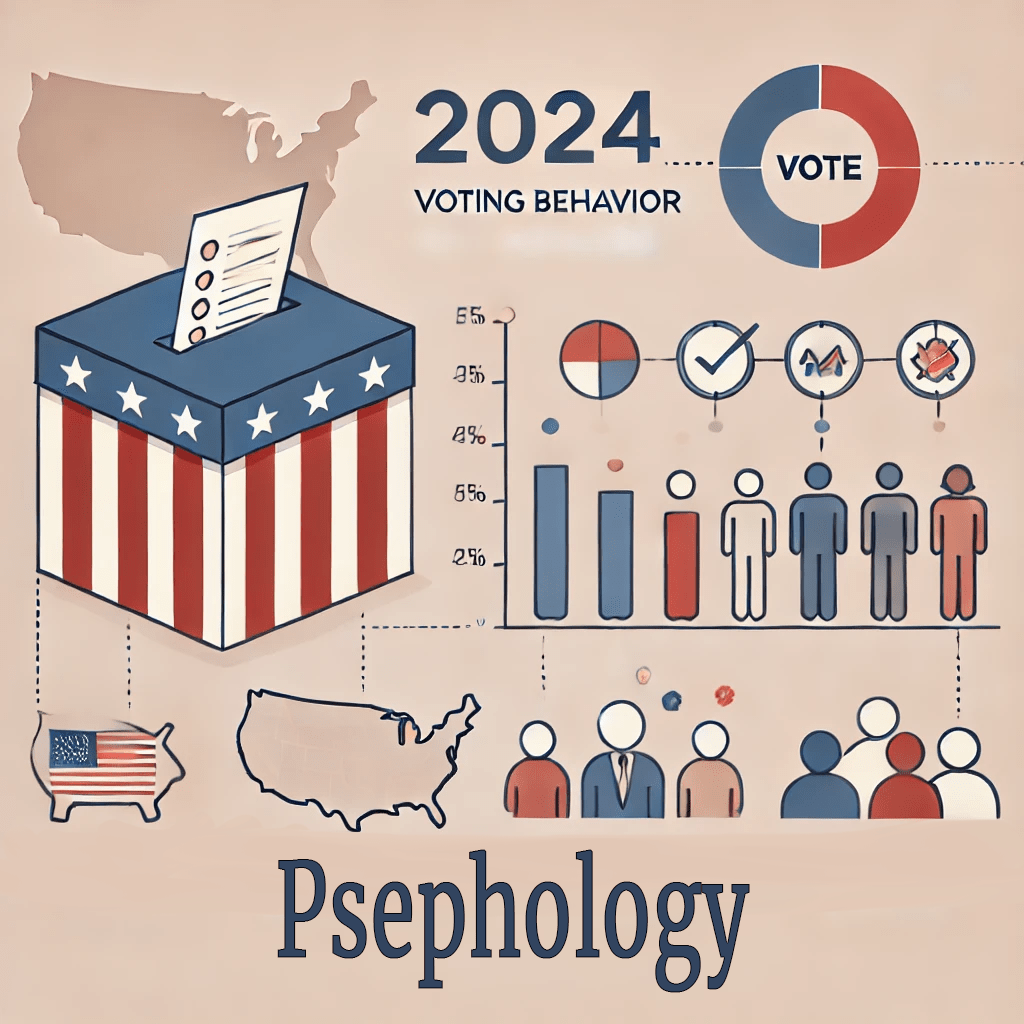
- What is Psephology?
- Psephology is the study of voting behavior and election trends, blending political science, psychology, and data analytics to understand and predict electoral outcomes.
- Role of Data and AI in 2024
- Advanced machine learning and real-time analytics allow psephologists to track voter sentiment across social media and online discussions, offering timely insights into shifting voter priorities.
- Key Voting Issues
- This year, the economy, immigration, and abortion are among the top issues driving voter engagement. Polarization is deepening, with voters aligning closely with candidates who reflect their identity and values
Psephology, the study of elections and voting behavior, may not be the catchiest word in public discourse, but its impact on democratic processes is undeniable. Derived from the Greek word “psephos,” meaning “pebble” or “ballot” (back when voting involved placing pebbles into jars), psephology has become a critical field for understanding modern electoral outcomes. It combines political science, psychology, and data analytics to analyze voter behavior, polling data, and election results, guiding politicians, analysts, and the public through the complexities of election season.
With an eye toward 2024’s intense U.S. presidential race, psephologists are analyzing unprecedented data patterns, including shifts in voter sentiment driven by divisive issues like economic reform, social policy, and climate change. Beyond election prediction, psephology also provides insights into why people vote the way they do—a question intertwined with psychology, sociology, and, increasingly, artificial intelligence.
What Exactly Does a Psephologist Do? Beyond Predictions
Psephologists don’t just predict election results; they interpret what those results say about society. This involves parsing through data from opinion polls, exit polls, historical voting patterns, and demographic studies. A common misconception is that psephology is simply about forecasting outcomes, but in reality, it delves much deeper, seeking to understand motivations, ideological shifts, and even the psychology of undecided voters.
During a campaign, for instance, a psephologist might examine how campaign messages resonate with different segments of the electorate. Are young voters more likely to turn out for issues like climate action? Does economic rhetoric sway traditionally non-participating demographics? These insights inform strategies for both political campaigns and media narratives, shaping not only the path to Election Day but also public understanding of pressing societal issues.
Top Trends Shaping Voting Behavior in 2024
With the 2024 U.S. presidential election approaching, psephology has entered a new era marked by a few critical developments:
- Real-Time Data Analytics & Machine Learning: Tracking Voter Sentiment Like Never Before As voters interact on social media and engage in online discourse, machine learning algorithms allow psephologists to track sentiment shifts in real-time. AI models are now parsing vast swathes of online data to identify which issues are gaining traction among key demographics. This technology has been a double-edged sword: while it enables more accurate insights, it also raises ethical questions about privacy and data manipulation.
- Polarization & Identity-Based Voting: Breaking the Traditional Mold A prevailing trend in 2024 is the intensifying polarization among voters. This isn’t just about political leanings—it extends into identity politics. Voters are often aligning with candidates who reflect their cultural, racial, and ideological identities, complicating psephological models. Analyzing voting behavior today requires understanding how identity intersects with political choice, which challenges the traditional left-right paradigm that once guided election forecasting.
- Fighting Misinformation with ‘Prebunking’ Tactics In an era marked by misinformation, psephologists are increasingly concerned with ‘prebunking’ strategies—helping the public recognize and dismiss misleading information before it takes root. This tactic draws from psychological research, tapping into our cognitive biases to bolster fact-based decision-making and mitigate the impact of viral misinformation on voting behavior.
The Psychology Behind Why We Vote the Way We Do
Psephology intersects profoundly with psychology, particularly in areas such as cognitive bias, group dynamics, and emotional intelligence. One key factor in voting behavior is motivated reasoning—the tendency for individuals to process information in a way that supports their pre-existing beliefs. For instance, a voter might ignore unfavorable data about their preferred candidate, a phenomenon that can skew polling and complicate predictions.
Similarly, social influence plays a massive role. Peer groups, family beliefs, and local culture often guide how individuals vote, even in ways they may not fully recognize. During my time studying psychology and philosophy, I learned about the mechanisms that drive people to stick to their social in-groups—a phenomenon we see often in today’s polarized political climate. In Dungeons & Dragons, this dynamic is akin to party alignment, where each character’s decision-making reflects a deeper allegiance to their faction or worldview—a useful analogy for understanding why voters align with certain political “parties” or “characters” despite objective evidence.
How Psephology Shapes Campaign Strategies in 2024
Political campaigns in 2024 are taking full advantage of psephological insights, targeting voters with tailored messages. Campaigns now go beyond traditional demographics to understand psychological profiles, using models that predict which voters are open to persuasion, who are entrenched in their beliefs, and how these groups can be effectively mobilized.
Consider a campaign’s efforts to reach young, environmentally-conscious voters. Psephologists might advise using social media platforms popular among Gen Z, focusing on visually compelling content related to climate policy. Similarly, for older demographics concerned with healthcare, campaigns might prioritize personalized emails or TV advertisements that underscore stability and security. Each campaign message, format, and medium is thus an outcome of psephological analysis, finely tuned to resonate with specific voter profiles.
Case Study: Colorado’s 2024 Election—A Real-Life Test of Voter Psychology
Take Colorado’s special election situation, where ongoing complexities reflect psephology’s importance in analyzing voter behavior amid unusual circumstances. As GOP candidates like Lauren Boebert face challenging reelection campaigns in swing districts, psephologists examine not just voter sentiments but also the logistical elements—like the timing of elections and the implications of district demographics—that influence outcomes. Colorado’s nonpartisan primaries, where only the top two candidates advance, offer a unique psephological scenario as both Republicans and Democrats adjust strategies to appeal to a broad base.
Psephologists might use this context to study how voters react to political maneuvers (like Boebert’s decision to run in a new district) and whether voters can be persuaded to switch party lines, adding another layer of strategy and intrigue to a highly competitive election cycle.
The Future of Psephology: Engaging the Electorate
Looking ahead, the field of psephology is set to evolve alongside technology. The ability to analyze data faster and more precisely has moved psephology from mere election prediction to a civic engagement tool, helping to inform voters and build a more participatory democracy. As psephologists continue to refine models, they will likely focus more on transparency and accessibility, allowing the public to better understand electoral dynamics and, ideally, fostering a more informed electorate.
For those intrigued by the intersection of psychology, data, and social impact, psephology offers a unique perspective on democracy’s workings. It’s a reminder that every election isn’t just a vote on policies or candidates but a window into collective human behavior.

 Michael Kellett - Mym111
Leave a comment