
Art history can feel like stepping into a gathering where everyone knows the inside jokes, but you’re catching up on centuries of references. From the iconic works of the Renaissance to the vibrant strokes of Impressionism, understanding the key art periods doesn’t have to be intimidating.
In this guide, we break down major art history eras and their defining characteristics, helping you quickly grasp the essentials or impress at your next museum visit. Dive in to discover the key periods in art history, complete with their standout features and examples.
1. Prehistoric Art (c. 40,000–4,000 BCE)

- Key Characteristics: Early human expression through cave paintings, carvings, and stone structures. Art was largely ritualistic or utilitarian.
- Materials Used: Natural pigments, rock, bone, and stone.
2. Ancient Egyptian Art (c. 3,000–300 BCE)
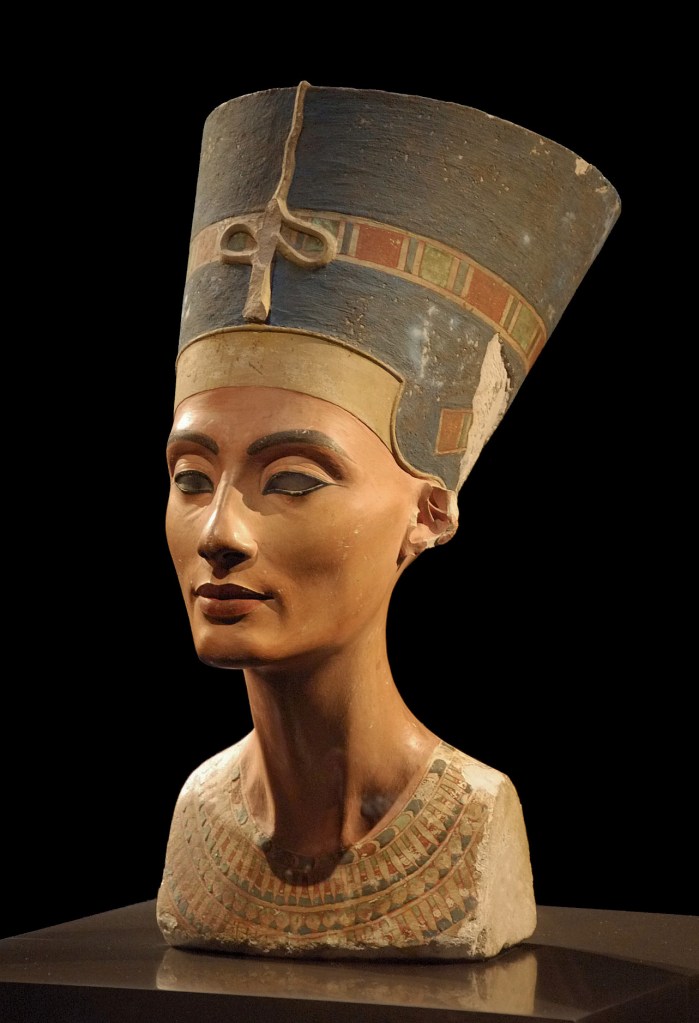
- Key Characteristics: Symbolic and stylized, focused on themes of life after death, divinity, and order.
- Artistic Rules: Consistent poses and perspectives; figures in profile but eyes frontal.
3. Classical Greek and Roman Art (c. 800 BCE–400 CE)

- Key Characteristics: Emphasis on naturalism, harmony, and idealized human forms. Reflected mythology, philosophy, and civic pride.
- Innovations: Development of contrapposto stance and use of marble and bronze.
4. Medieval Art (c. 500–1400 CE)
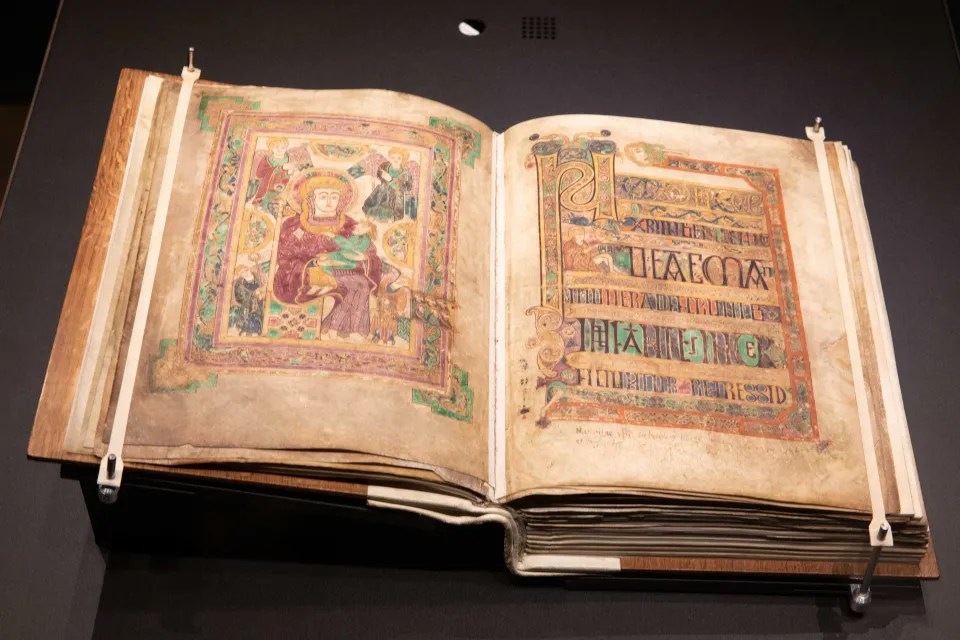
- Key Characteristics: Deeply religious, dominated by Christian themes, with symbolic, non-naturalistic forms.
- Styles: Included Romanesque and Gothic, characterized by illuminated manuscripts and stained glass.
5. Renaissance Art (c. 1400–1600)

- Key Characteristics: Revival of classical ideals, focus on humanism, and the use of perspective for depth.
- Breakthroughs: Mastery of light, shadow (chiaroscuro), and anatomy.
6. Baroque Art (c. 1600–1750)
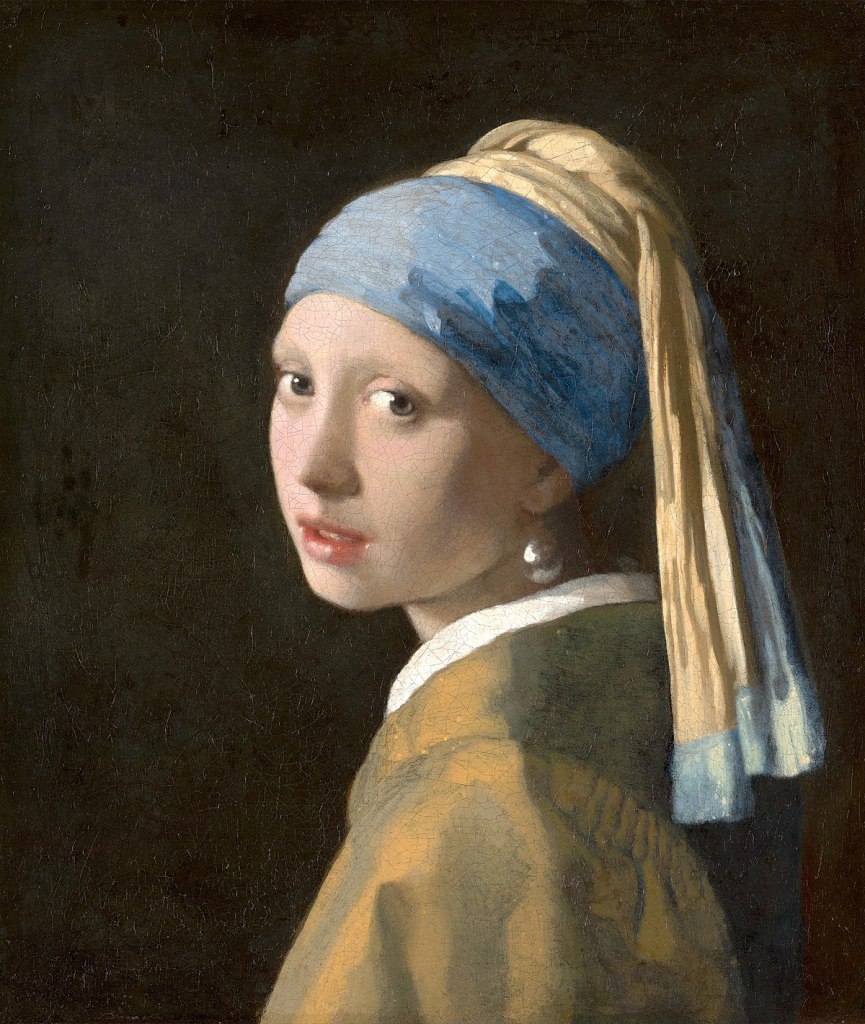
- Key Characteristics: Dramatic, ornate, and emotional; used intense contrasts of light and dark.
- Purpose: Engaged the viewer directly, often used to convey religious or political grandeur.
7. Rococo (c. 1700–1780)
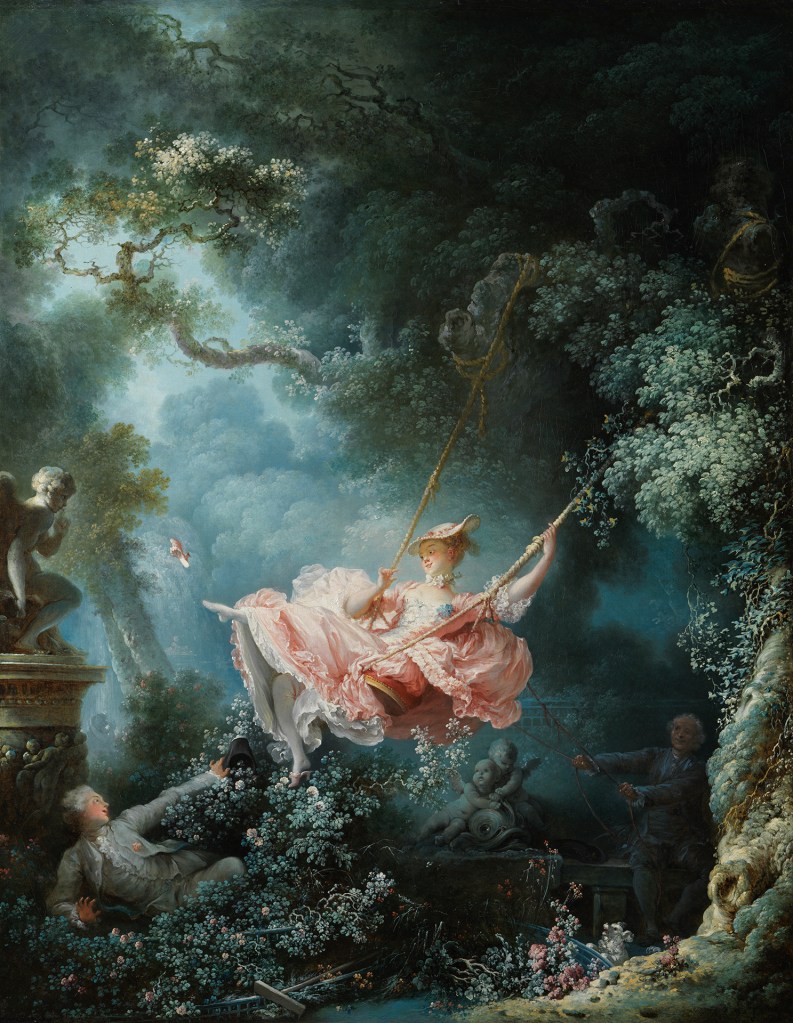
- Key Characteristics: Light, whimsical, and decorative; featured pastel colors and playful themes.
- Cultural Reflection: Embodied the extravagance of the French aristocracy before the Revolution.
8. Neoclassicism (c. 1780–1820)
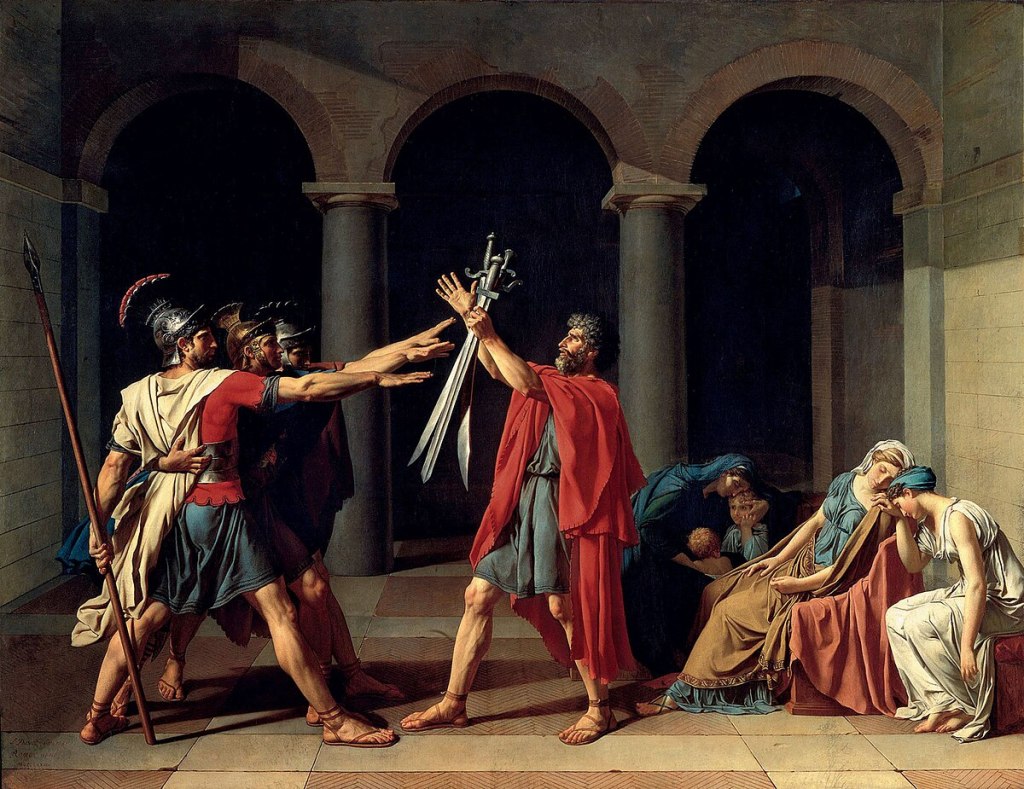
- Key Characteristics: Return to classical forms and themes, promoting stoicism and civic virtue.
- Motivation: Inspired by Enlightenment ideals and archaeological discoveries.
9. Romanticism (c. 1800–1850)

- Key Characteristics: Emphasis on emotion, individualism, and the sublime, often depicting dramatic and exotic scenes.
- Artistic Edge: Valued spontaneity and nature’s power over rationalism.
10. Impressionism (c. 1860–1880)
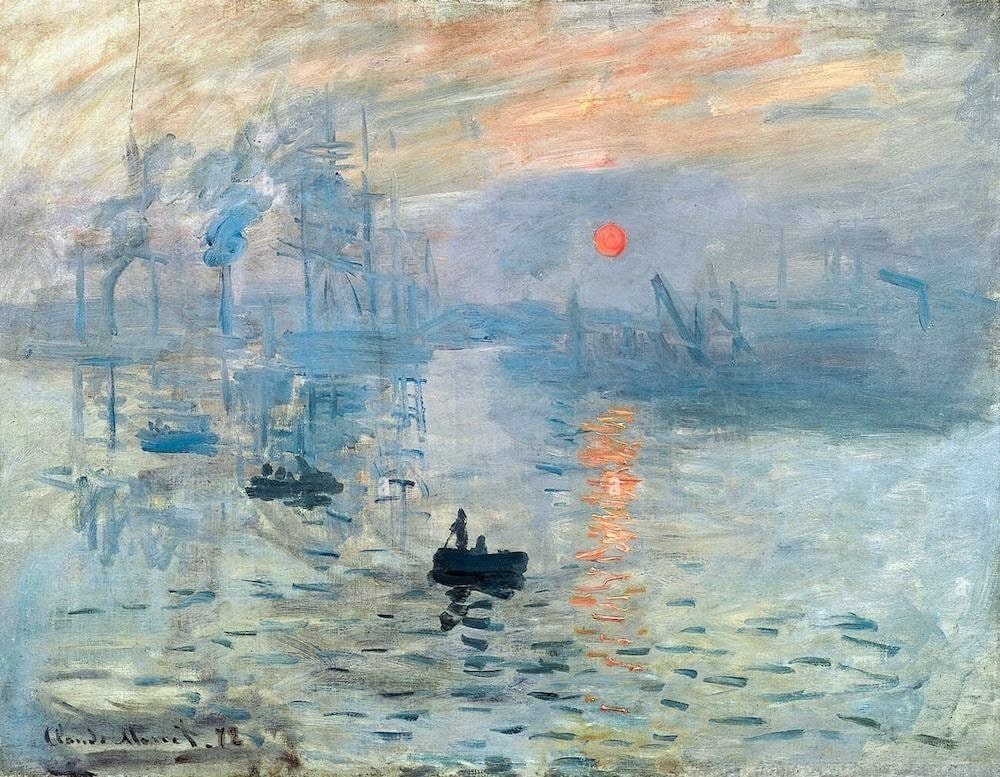
- Key Characteristics: Captured fleeting moments and the effects of light, using quick, visible brushstrokes.
- Challenge to Tradition: Moved away from historical and religious themes, favoring scenes of daily life.
 Michael Kellett - Mym111
Leave a comment